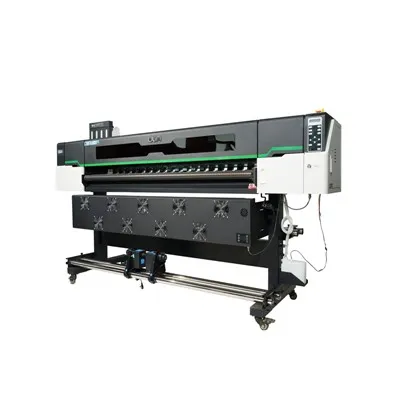
DTF (Direct to Film) printing has emerged as a revolutionary technology in the textile printing industry, offering high – quality, detailed prints on various fabrics. However, when it comes to printing on silk, a delicate and luxurious fabric, DTF printing presents several unique challenges. As a DTF printer supplier, I’ve had the opportunity to work closely with customers facing these issues and have gathered valuable insights on how to overcome them. DTF Printer
Understanding the Challenges of DTF Printing on Silk
Silk is a natural protein fiber known for its softness, smoothness, and luster. But these very qualities that make silk so desirable also pose difficulties in DTF printing:
Absorption and Ink Spread
Silk has a relatively low absorption rate compared to other fabrics. When printing with DTF, the ink may not be absorbed quickly enough, leading to ink spreading and blurry prints. This is because the smooth surface of silk doesn’t allow the ink to penetrate and set in a timely manner.
Color Vibrancy
Achieving vibrant colors on silk can be a struggle. The natural sheen of silk can reflect light in a way that makes the printed colors appear duller than expected. Additionally, the ink may not adhere as well to the silk fibers, resulting in a lack of color intensity and longevity.
Fabric Protection
Silk is a delicate fabric that can be easily damaged by heat, chemicals, or excessive pressure during the DTF printing process. High – temperature curing, which is often necessary for DTF inks to set properly, can cause the silk to shrink, lose its luster, or even become brittle.
Strategies to Overcome the Challenges
Pre – Treatment of Silk
One of the most effective ways to address the absorption and ink spread issue is to pre – treat the silk fabric. A pre – treatment solution can help to increase the fabric’s absorbency and improve ink adhesion. There are various pre – treatment products available in the market specifically designed for silk. These solutions typically contain chemicals that modify the surface of the silk fibers, making them more receptive to the DTF ink.
Before applying the pre – treatment, it’s important to clean the silk thoroughly to remove any dirt, oil, or impurities. This can be done by gently washing the silk in a mild detergent and rinsing it carefully. Once the silk is clean and dry, the pre – treatment solution can be applied evenly using a spray gun or a roller. After application, the silk should be dried completely before printing.
Optimizing Ink Selection
The choice of ink plays a crucial role in achieving high – quality DTF prints on silk. Look for inks that are specifically formulated for use on delicate fabrics like silk. These inks are usually designed to have a better balance between color vibrancy and flexibility, ensuring that the prints look vibrant without compromising the fabric’s softness.
In addition to the type of ink, the ink density also needs to be adjusted according to the silk fabric. Since silk has a low absorption rate, using a lower ink density can help to prevent ink spread and blurry prints. However, this may require some experimentation to find the optimal ink density for different types of silk.
Controlling the Printing Process
The DTF printing process involves several steps, including printing the design on a film, transferring the powder, and then transferring the image from the film to the fabric. Each of these steps needs to be carefully controlled when printing on silk.
When printing the design on the film, it’s important to use a high – resolution printer to ensure that the details of the design are accurately captured. The printer settings, such as print speed and quality, should be adjusted according to the complexity of the design.
During the powder transfer step, the amount and distribution of the powder need to be carefully monitored. Too much powder can make the print feel stiff and may also cause problems during the transfer process. On the other hand, too little powder may result in poor ink adhesion.
The transfer process is especially critical when working with silk. The heat and pressure settings need to be adjusted to ensure that the image is transferred successfully without damaging the silk. Lower temperature and pressure settings are generally recommended for silk to prevent shrinkage and damage. It’s also important to use a heat – resistant pad or a silicone mat during the transfer process to protect the silk from direct contact with the heat – press.
Post – Treatment and Finishing
After the DTF printing process is complete, post – treatment of the silk fabric can help to improve the durability and appearance of the prints. One common post – treatment method is to wash the printed silk in a mild detergent to remove any excess powder or ink. This should be done gently to avoid damaging the print.
Applying a fabric conditioner or a softener after washing can also help to restore the softness and smoothness of the silk. Additionally, some silk fabrics may benefit from a light ironing or steaming to remove any wrinkles and enhance the overall appearance of the print.
Quality Control and Testing
Before mass – producing DTF prints on silk, it’s essential to conduct thorough quality control and testing. This can help to identify any potential issues early on and make necessary adjustments to the printing process.
Sample Printing
Start by printing a small sample on a piece of silk fabric. This allows you to evaluate the color vibrancy, ink adhesion, and overall quality of the print. Check for any signs of ink spread, blurry edges, or color fading. If any issues are detected, you can make adjustments to the pre – treatment, ink selection, or printing process before proceeding with larger orders.
Wash Testing
Perform wash tests on the sample prints to assess the durability of the prints. Wash the printed silk fabric according to the recommended washing instructions and check for any signs of color bleeding, ink peeling, or damage to the fabric. This can help you to determine the effectiveness of the post – treatment process and ensure that the prints will withstand regular laundering.
Conclusion
DTF printing on silk is a challenging but rewarding process. By understanding the unique characteristics of silk and implementing the right strategies, it’s possible to achieve high – quality, vibrant, and durable prints on this luxurious fabric. As a DTF printer supplier, I’m committed to helping our customers overcome these challenges and achieve their printing goals.
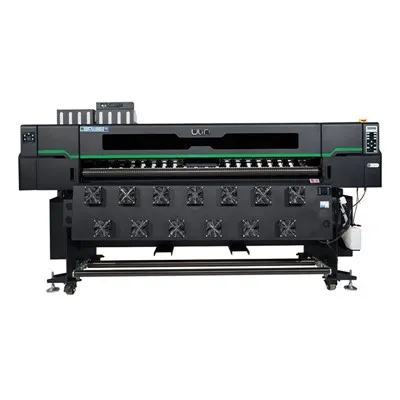
Eco Solvent Printer If you’re interested in exploring the possibilities of DTF printing on silk or have any questions about our DTF printers and related products, I encourage you to reach out to us. We’re here to provide you with the support and expertise you need to succeed in your printing business. Contact us for more information and to start a productive discussion on how we can meet your specific requirements.
References
- "Textile Printing Handbook" by John Wiley & Sons
- Industry research reports on DTF printing technology
- Product manuals and technical guides provided by ink and pre – treatment solution manufacturers
Hangzhou Yulan Technology Co., Ltd.
Hangzhou Yulan Technology Co., Ltd. is one of the most professional DTF printer manufacturers and suppliers in China. With abundant experience, we warmly welcome you to wholesale the newest DTF printer in stock here from our factory. Good service and quality products are available.
Address: Building, No.128 Rihui Road, Linping District, Hangzhou, China.
E-mail: ulinprint@gmail.com
WebSite: https://www.ulinprinter.com/
