In the realm of flexographic printing, the interaction between an anilox sleeve and a doctor blade is a critical factor that significantly influences the quality and efficiency of the printing process. As a seasoned supplier of anilox sleeves, I’ve witnessed firsthand how this dynamic duo can make or break a printing project. In this blog post, I’ll delve into the intricacies of how an anilox sleeve interacts with the doctor blade, exploring the principles, factors, and best practices that are essential for optimal performance. Anilox Sleeve
Understanding the Basics: Anilox Sleeves and Doctor Blades
Before we dive into their interaction, let’s first understand the roles of an anilox sleeve and a doctor blade in the flexographic printing process.
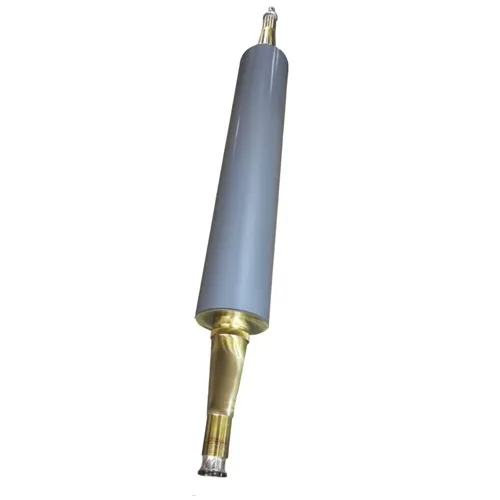
An anilox sleeve is a cylindrical printing component that plays a crucial role in metering and transferring ink to the printing plate. It is typically made of a metal or ceramic substrate with a precisely engraved surface featuring tiny cells. These cells act as reservoirs for the ink, and their size, shape, and density determine the amount of ink that can be carried and transferred. The anilox sleeve rotates in an ink fountain, picking up ink in its cells, and then transfers the ink to the printing plate as it comes into contact.
On the other hand, a doctor blade is a thin, flexible blade that is used to remove excess ink from the surface of the anilox sleeve. It is positioned against the rotating anilox sleeve at a specific angle and pressure, scraping off the ink that is not contained within the cells. This ensures that only the desired amount of ink remains in the cells for transfer to the printing plate, resulting in a clean and consistent print.
The Interaction Process: How They Work Together
The interaction between the anilox sleeve and the doctor blade is a complex process that involves several key steps.
1. Ink Pickup
As the anilox sleeve rotates in the ink fountain, the cells on its surface fill with ink. The ink is drawn into the cells by capillary action, and the amount of ink picked up depends on the cell volume, ink viscosity, and the speed of rotation.
2. Doctoring
Once the anilox sleeve has picked up the ink, it passes under the doctor blade. The doctor blade is positioned at a precise angle and pressure against the surface of the anilox sleeve, scraping off the excess ink that is not contained within the cells. The doctoring process is critical for ensuring that only the desired amount of ink remains in the cells for transfer to the printing plate.
3. Ink Transfer
After the doctoring process, the anilox sleeve continues to rotate and comes into contact with the printing plate. The ink in the cells is then transferred to the printing plate, which in turn transfers the ink to the substrate being printed. The quality of the ink transfer depends on several factors, including the cell geometry, ink viscosity, and the pressure between the anilox sleeve and the printing plate.
Factors Affecting the Interaction
Several factors can affect the interaction between the anilox sleeve and the doctor blade, and understanding these factors is essential for achieving optimal performance.
1. Blade Material and Design
The material and design of the doctor blade play a crucial role in its performance. Different blade materials, such as steel, plastic, or ceramic, have different properties that can affect their ability to scrape off the excess ink and resist wear. The blade design, including its thickness, hardness, and edge profile, also plays a role in determining its effectiveness.
2. Blade Angle and Pressure
The angle and pressure at which the doctor blade is positioned against the anilox sleeve are critical for achieving optimal doctoring performance. If the blade angle is too steep, it can cause excessive wear on the anilox sleeve and the blade itself. On the other hand, if the blade angle is too shallow, it may not be able to scrape off the excess ink effectively. Similarly, the pressure applied by the doctor blade should be carefully adjusted to ensure that it is sufficient to remove the excess ink without causing damage to the anilox sleeve.
3. Anilox Sleeve Surface Finish
The surface finish of the anilox sleeve can also affect its interaction with the doctor blade. A smooth and uniform surface finish is essential for ensuring that the doctor blade can scrape off the excess ink effectively. Any irregularities or roughness on the surface of the anilox sleeve can cause the doctor blade to skip or chatter, resulting in inconsistent ink transfer and print quality issues.
4. Ink Viscosity and Properties
The viscosity and properties of the ink can also have a significant impact on the interaction between the anilox sleeve and the doctor blade. Inks with high viscosity can be more difficult to doctor, as they tend to stick to the surface of the anilox sleeve and the doctor blade. On the other hand, inks with low viscosity may flow too easily and cause excessive ink transfer. The chemical properties of the ink, such as its drying time and adhesion, can also affect the performance of the anilox sleeve and the doctor blade.
Best Practices for Optimal Interaction
To ensure optimal interaction between the anilox sleeve and the doctor blade, it is important to follow some best practices.
1. Choose the Right Blade Material and Design
Selecting the right blade material and design is crucial for achieving optimal doctoring performance. Consider the type of ink, the printing application, and the surface finish of the anilox sleeve when choosing a doctor blade. Consult with a blade manufacturer or supplier to get recommendations based on your specific requirements.
2. Adjust the Blade Angle and Pressure
Properly adjusting the blade angle and pressure is essential for achieving optimal doctoring performance. Use a blade holder that allows for precise adjustment of the blade angle and pressure. Start with a low pressure and gradually increase it until the desired doctoring effect is achieved. Monitor the blade wear and adjust the pressure as needed to ensure consistent performance.
3. Maintain the Anilox Sleeve Surface
Regularly cleaning and maintaining the anilox sleeve surface is essential for ensuring optimal interaction with the doctor blade. Use a suitable cleaning solution and a soft brush to remove any ink residue or debris from the surface of the anilox sleeve. Avoid using abrasive materials or harsh chemicals that can damage the surface of the anilox sleeve.
4. Monitor the Ink Viscosity and Properties
Regularly monitoring the viscosity and properties of the ink is essential for ensuring optimal interaction between the anilox sleeve and the doctor blade. Use a viscometer to measure the viscosity of the ink and adjust it as needed to ensure consistent performance. Follow the manufacturer’s recommendations for ink storage and handling to maintain its quality and properties.
Conclusion
The interaction between an anilox sleeve and a doctor blade is a critical factor in the flexographic printing process. Understanding the principles, factors, and best practices that govern this interaction is essential for achieving optimal performance and high-quality prints. As a supplier of anilox sleeves, I am committed to providing my customers with the highest quality products and technical support to help them achieve their printing goals. If you are in the market for anilox sleeves or have any questions about their interaction with doctor blades, I would be more than happy to discuss your needs and provide you with customized solutions.
Anilox Sleeve Please feel free to reach out to me for further discussion and potential procurement opportunities. I look forward to working with you to enhance your printing operations.
References
- "Flexographic Printing Technology" by Gary F. Davis
- "The Anilox Handbook" by Bill Troiano
- "Doctor Blade Technology and Applications" by various industry experts
Kunshan Hanhan Co., Ltd.
We’re well-known as one of the leading anilox sleeve manufacturers and suppliers in China. We warmly welcome you to buy high quality anilox sleeve made in China here from our factory. If you have any enquiry about cooperation, please feel free to email us.
Address: No. 1093, B Zone, No. 2 Xugongqiao Rd, Huaqiao Town, Kunshan City, Suzhou, Jiangsu, China
E-mail: info@kshhroller.com
WebSite: https://www.kshh-roller.com/
