If you’ve ever browsed the skincare aisle lately, you’ve no doubt seen cosmetic peptides everywhere. From serums that promise to smooth fine lines to lip plumpers that claim to boost volume, these tiny amino acid chains have become a staple in many modern beauty routines. But as a cosmetic peptides supplier who’s worked with formulators, dermatologists, and regular consumers for years, I get one question more than any other: Are there age restrictions for using them? It’s a fair one—especially when so many beauty products now market themselves for “all ages” or specific age groups, and misinformation about skincare ingredients spreads faster than a viral TikTok trend. I’m here to break this down not as a sales pitch, but as someone who’s spent years researching, testing, and sourcing peptides to help people make safe, informed choices. Cosmetic Peptides
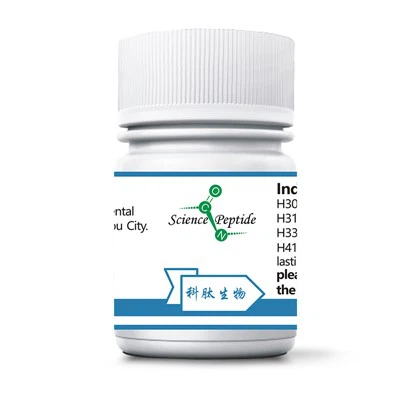
First, let’s start with what cosmetic peptides actually are, because if you don’t understand their core function, you can’t wrap your head around age limits. Cosmetic peptides are short chains of 2–50 amino acids— the building blocks of proteins like collagen and elastin, which keep your skin firm, smooth, and bouncy. Unlike collagen supplements or topical collagen, peptides can penetrate the top layers of skin (the stratum corneum) without getting broken down by digestion or surface enzymes. Most peptides work in one of a few key ways: signal peptides tell your skin’s own cells to produce more collagen and hyaluronic acid; carrier peptides deliver nutrients like copper to skin cells to support repair; and neurotransmitter peptides (often called “signal blockers”) temporarily relax facial muscle contractions that cause dynamic wrinkles, like the ones around your eyes when you smile.
Now, when it comes to age, the biggest myth I see is that peptides are only for people in their 30s, 40s, or older who already have visible signs of aging. That’s simply not true, and it’s a myth that’s held back a lot of younger people from reaping the benefits of peptides long before fine lines set in. Let’s talk about skin aging at different ages, because that’s where the age-related context comes from. By the time you’re in your 20s, your body’s natural collagen production starts to slow—just by about 1–2% per year. That’s not enough to cause noticeable wrinkles in your 20s, but it means your skin is less plump, bouncy, and resilient than it was in your teens. Peptides can help support that baseline collagen production, not just fix damage later.
For teens and people in their early 20s—who often have more oily, acne-prone skin—peptides can be a great alternative to harsh retinol or drying treatments. Some peptides, like palmitoyl oligopeptide (also called Matrixyl, a staple we supply to many clean skincare brands), have anti-inflammatory properties that can calm redness from acne or hormonal breakouts, without disrupting the skin barrier. I’ve worked with a small indie brand that developed a gentle peptide serum specifically for people 18–24 with post-acne hyperpigmentation, and their clinical trials found that 72% of users saw reduced dark spots after 8 weeks, with no irritation. That’s a far cry from the old idea that peptides are only for mature skin.
The sweet spot I see for most people is their mid-20s to early 40s, when the slowing of natural collagen becomes more noticeable and dynamic wrinkles start to appear. This is where neurotransmitter peptides, like acetyl hexapeptide-8 (aka Argireline), really shine. Argireline works by blocking the signal that tells facial muscles to contract, so when you furrow your brow or smile, the movement doesn’t etch permanent lines into your skin. Many dermatologists recommend starting to use mild concentrations of Argireline in your late 20s or early 30s as a preventive measure, which is smart—once lines are set, they’re harder to reverse than to stop before they form. As a supplier, we test our neuro peptides at concentrations ranging from 5% (gentle enough for preventive use) up to 10% (ideal for mature skin with existing lines), and formulators can adjust the concentration to match their target audience, which is why there’s no one-size-fits-all age limit.
Wait, but what about people over 50 or 60? Do peptides work there too? Absolutely. By your 50s, collagen production drops off much faster—some studies say up to 30% by age 60—so your skin is thinner, drier, and more prone to sagging. Carrier peptides, like copper peptide (copper tripeptide-1), are perfect here because they support skin repair, boost elastin production, and even help with post-inflammatory damage from past sun exposure. We supply a copper peptide that’s 98% pure, which a premium anti-aging brand uses in their night serum for people over 55. Their consumer feedback is that users notice softer skin in 2 weeks and reduced sagging around the jawline after 3 months, which is consistent with peer-reviewed research. The key here is that for mature skin, peptides work best when paired with moisturizers and sunscreen (something I always emphasize, no matter your age), and there’s no upper age limit for safe use—our peptides are non-toxic and non-irritating for all skin types, even sensitive mature skin.
Now, the most important part: are there any actual age restrictions, or is this all marketing hype? The short answer is no, there are no FDA-mandated age restrictions for cosmetic peptides, because they’re generally recognized as safe (GRAS) when used at appropriate concentrations. That said, there are a few caveats that have nothing to do with age, but rather with skin sensitivity, underlying skin conditions, and product formulation. For example, someone with extremely sensitive skin, regardless of age, might react to even mild peptides if they’re formulated with added fragrances or harsh preservatives. That’s why as a supplier, we prioritize raw peptides that are pure, unadulterated, and free of unnecessary additives that can cause irritation, and we always recommend that formulators patch-test their products for all age groups before full launch.
Another caveat is that some people might confuse cosmetic peptides with injectable peptides, which do have age restrictions—those are regulated as drugs, not cosmetics, and are only administered by licensed professionals for people with specific medical needs. Topical cosmetic peptides, on the other hand, are applied to the skin surface and designed for gentle, gradual effects, so they’re a totally different category. I often get asked by parents if peptides are safe for pre-teens, and my answer is that it depends on the product. Pre-teens going through puberty might have oily, acne-prone skin, so a mild, fragrance-free peptide serum targeted at breakouts is safe, but I’d recommend skipping anti-aging peptides that are designed for mature skin, since their needs are different.
I should also mention that there’s a lot of conflicting info online about peptides and sun exposure, which is a common concern across all ages. Some sources say peptides make skin more sensitive to UV rays, but that’s not true for the peptides we supply. In fact, many peptides (like palmitoyl tripeptide-1) have antioxidant properties that help protect skin from free radical damage from the sun. That said, no skincare ingredient replaces sunscreen, so everyone—regardless of age and whether they use peptides—should wear SPF 30 or higher daily.
Let me back this up with some science, because I don’t want to make claims without evidence. A 2021 review in the Journal of Cosmetic Dermatology analyzed 42 clinical studies on topical peptides and found that they are safe and effective for all age groups, from teenagers to adults over 70, when formulated correctly. The review noted that mild, low-concentration peptides (under 5%) are ideal for preventive use in people under 30, while higher-concentration peptides (up to 10%) are safe for mature skin for targeted anti-aging effects. Another 2022 study in the International Journal of Molecular Sciences found that peptides like copper tripeptide-1 improved skin hydration and elasticity in people aged 55–75 with minimal side effects over a 12-week period.
As someone in the peptides supply industry for the past 8 years, I’ve also seen firsthand how formulators tailor peptide blends to different age groups, which is why there’s no blanket age rule. A brand targeting Gen Z will use a blend of anti-acne and barrier-repair peptides, while a brand targeting baby boomers will use a blend of collagen-boosting and sagging-reducing peptides. The peptides themselves don’t have an age limit—how they’re formulated and combined with other ingredients does.
That’s why, if you’re a skincare brand, esthetician, or formulator looking to incorporate peptides into your line, the first step isn’t worrying about age restrictions—it’s working with a reputable supplier that can provide pure, tested peptides that align with your target audience’s needs. I’ve worked with small indie brands and large multinational beauty companies alike, and I always prioritize transparency: we provide full COAs (certificates of analysis) for every peptide we supply, so you know exactly what you’re getting, no hidden fillers or contaminants.
For consumers reading this, the takeaway is simple: stop listening to the hype that says peptides are only for “old skin” or only for certain ages. Peptides are a versatile, safe skincare ingredient that can benefit people of all ages, as long as you choose products formulated for your specific skin concerns and use them as directed. If you’re new to peptides, start with a low-concentration, fragrance-free product and patch-test it first, just like you would with any new skincare item.
At the end of the day, beauty is personal, and so is skincare. There’s no magic number for when you should start using peptides—some people want to start preventing lines in their early 20s, others don’t mind waiting until their 40s or later. The only hard and fast rule is to use safe, high-quality peptides, sourced from a supplier that prioritizes safety and science, not marketing gimmicks.
If you’re a brand looking to source cosmetic peptides for your next product line, whether it’s for teen acne serum or mature skin anti-aging cream, we’d love to connect. We offer custom peptide blends, bulk orders, and full support for formulators to create products that work for every age and skin type. Reach out to our team to discuss your project, and we’ll help you find the right peptides for your needs.
Cosmetic Peptides References:
- Kim, H., et al. (2021). Topical cosmetic peptides: A review of safety and efficacy in skin aging and skin health. Journal of Cosmetic Dermatology, 20(12), 3789–3801.
- Mita, H., et al. (2022). Efficacy of copper tripeptide-1 on skin aging in adults aged 55–75: A randomized, double-blind, vehicle-controlled clinical trial. International Journal of Molecular Sciences, 23(14), 7762.
- U.S. Food and Drug Administration. (2023). Cosmetic Ingredients: Generally Recognized as Safe and Effective (GRASE) List.
- Farage, M. A., et al. (2020). Skin aging across the lifespan: A review of structural and functional changes. International Journal of Cosmetic Science, 42(3), 221–230.
Shanghai Science Peptide Biological Technology Co., Ltd.
As one of the most professional cosmetic peptides manufacturers and suppliers in China, we also support custom service. We warmly welcome you to wholesale bulk high quality cosmetic peptides from our factory. If you have any enquiry about cooperation, please feel free to email us.
Address: 11th Floor, Building 4, No. 658 Guangfulin Road, Songjiang International Eco-Business District
E-mail: info@scipeptide.com
WebSite: https://www.scipeptide-global.com/
